Programme
Design Fest Gent demonstrates what design can (and indeed should) be: inquisitive, experimental and activistic. Not only through presentations, but also through lectures, workshops and encounters. Experience, meeting, stimulation and amazement are central.
Sustainability has many faces, which is why the programme for each day is linked to a theme. See the full programme below. Follow the Design Fest Gent-socials for additional insights.

Eyecatchers
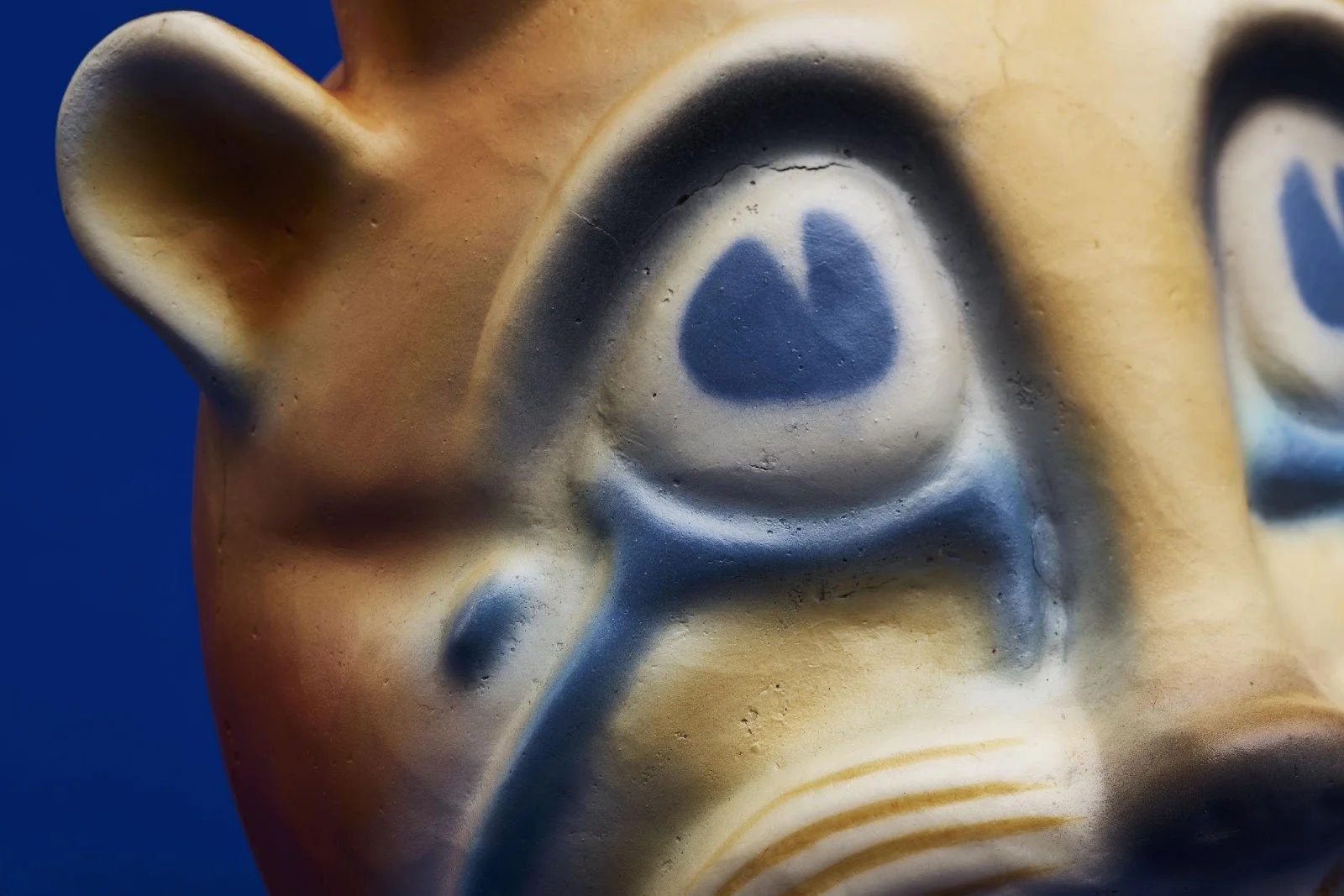
UNFOLD – Clay Automaton Lab

BIOBASED CREATIONS – The Exploded View

NEST

STUDIO MAKKINK & BEY – Waterschool M4H+

STUDIO SAMUEL TOMATIS – ALGA
Friday 22/04/2022

22/04/2022
19:30
MIRY Concertzaal
Lecture
Ecology General
Reon Brand – Co-Emerging Futures
Everything flows. Reon Brand, head of Future Studies and Innovation at Philips, is only too aware of this. With his study ‘Co-Emerging Futures’, he has tried to map the main dynamics of our rapidly changing world and answer the question of how they contribute to a number of possible futures. Brand identifies four main streams that outline the relationship between man and nature: post-human, trans-human, the stationary state and eco-entanglement. Only in the case of the latter, which according to Brand is by far the most important, are humans and their needs (finally) driven from the centre. Within this way of thinking, value is created through an ecological-holistic approach that fully recognises how everything is fundamentally connected. What role can design play in this? What is the impact of this new way of thinking on industrial processes? Food for thought and for an urgent debate.
Reservation with day- or festival ticket, or €5
Saturday 23/04/2022

23/04/2022
14:00 & 16:00
DMG Kelder
Workshop/ Performance
Food Foodwaste
Sien Vanmaele
Cooking workshops to prepare for the end of the world
With infectious enthusiasm, Sien Vanmaele goes in search of culinary answers to climate change. In a long-term research project into the food of the future, she takes us from the oyster banks in the Oosterschelde and the saltwater Boschplaat in Terschelling to the polders of West Flanders. Sien incorporates the results of her research in a theatrical, sensory cooking workshop about tomorrow’s meal, seasoned with her thoughts, doubts and hopes. Her preparation involved talking with marine biologists, seaweed harvesters, snail chefs, salt farmers and turbot breeders. Sien banned packaging from her life, grew mushrooms in her pantry and planted a micro-saltwater garden on her roof.
Join us around the table and come on a culinary adventure full of seaweed and insects, cultured meat and flower poverty, urban agriculture and zero-waste rabbits in the garden. Sien makes you look, listen, taste, smell and feel with hope, but cannot possibly predict where her quest will lead.
Reservation with day- or festival ticket
23/04/2022
14:00 - 18:00
DMG +1
Workshop
Binaural sounds - Reinout Rinus De Vos - 2Spaces x NEST
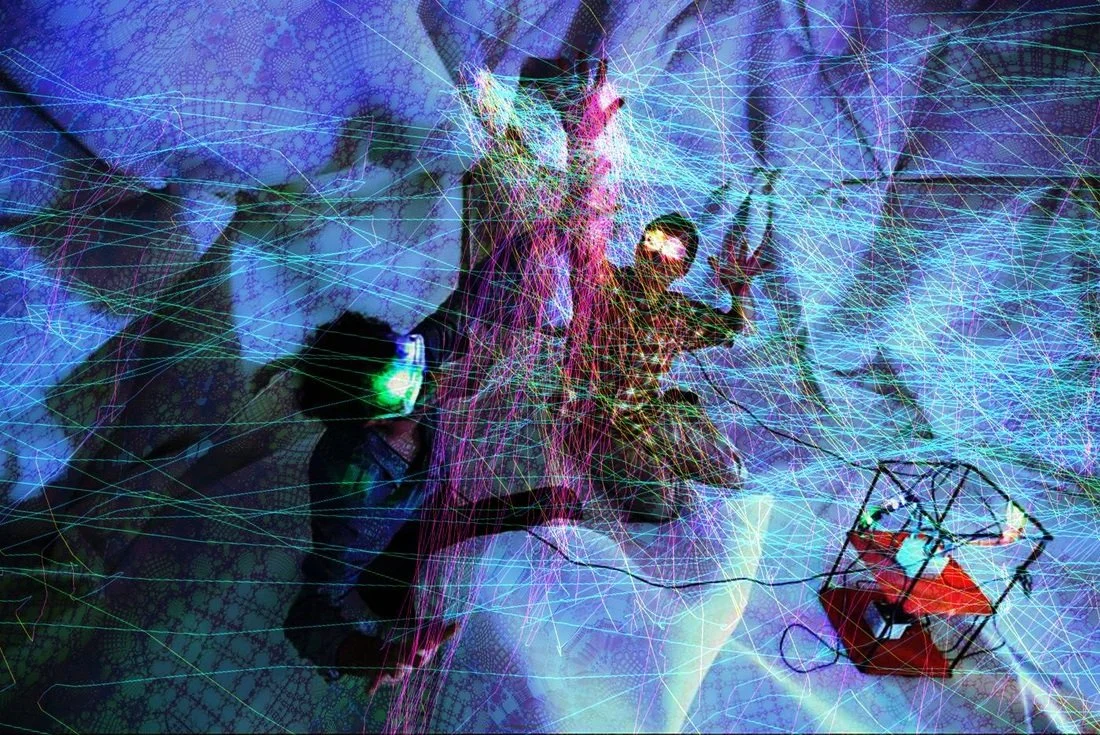
Sound artist Reinout Rinus De Vos (UltraTerrestrial) presents a 'binaural beat' installation in collaboration with bio-engineer Vladimir Kaigorodov. For about 20 minutes, the audience will experience a profound sound experience through headphones and optional binaural light gadgets. (Maximum 8 people per session)
Freely accessible with day- or festival ticket

23/04/2022
20:00 - 21:00
DMG Binnentuin
Performance
Cyriel, Matti and Simon
A gathering of three musicians from the Ghent alternative music scene to celebrate DFG.
Freely accessible
Basse Stittgen – Blood Related

Margriet Drouillon – Offshore mosselkweek in windparken

Foodlab Proef! x Studio Narture
23/04/2022
17:00
DMG 0
DFG Talks
Food Foodwaste
DFG-talks
– Stem&Vork in co met Naomi May, Elise De Pauw en Mélancolie
You are what you eat is not just an enormous cliché: a strong, reliable connection to our food is fundamental to our overall wellbeing. That is why STEM & VORK (voice and fork) brings young people and adults together with sustainable food systems. An extracurricular STEM action-learning model explores how we can understand and produce sustainable food. Through the open-source use of intelligent sensors, robotics, AI and big data, STEM & VORK aims to create new forms of urban agro-production that makes a local, resilient and fair food system possible. Is your mouth watering already? Come and listen to Naomi May, Elise De Pauw and Mélancolie in the DFG talk on food and food waste. Chat before you snack.
STEM & VORK is a STEAM platform – a collaboration with Luca School Of Arts, Masala vzw, Odisee, ILVO and Ekoli – and is subsidised by VLAIO.
– Basse Stittgen – Blood Related
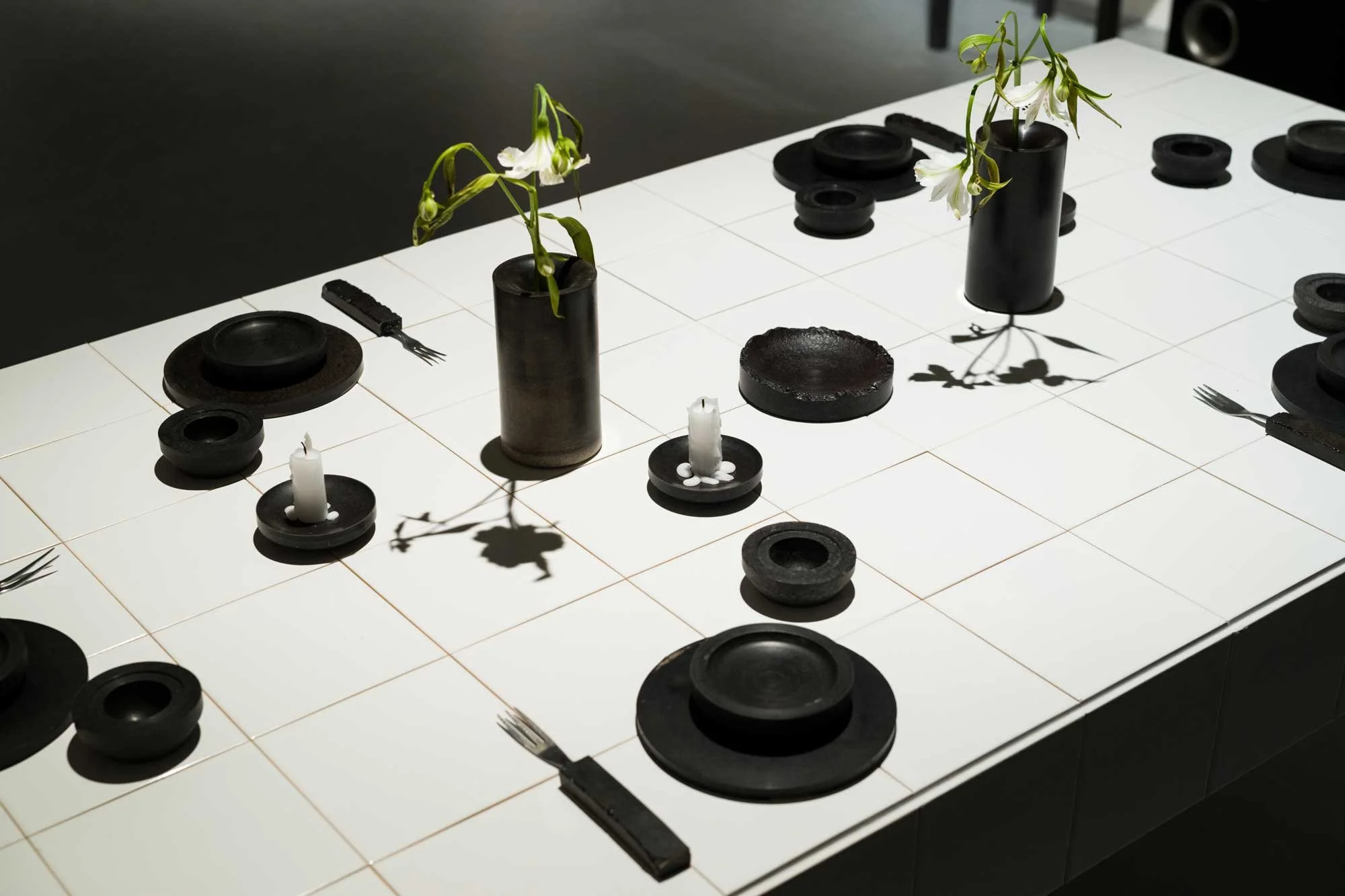
There are countless notions and associations connected to blood, the most substantial being life and death. Blood can even symbolize both and all worlds in between. It tells a thousand stories, steeped in meaning and mysticism. Yet, the very real narrative of cowblood as a by-product and waste stream remains untold. The slaughterhouse industry is one of the most resource intensive in the world, yet it remains almost invisible - this disconnection makes it difficult to create a common ground to talk about the ethics of production and consumption. From his role as designer, Basse Stittgen denounces the situation. Paradoxically, he uses discarded cow's blood to create objects, from dinnerware to record players. The work offers a platform for confrontation and reflection regarding our relation towards animals. Just to be clear: all the objects are made 100% from discarded cowblood.
– Margriet Drouillon – Offshore mosselkweek in windparken
A world first on your plate! For the ‘Offshore mussel farming in wind farms’ project, mussels are bred about 30 to 50 km from the Belgian coast. This is the first time that seafood has been farmed so far out to sea, and in existing wind farms. Successfully, because the ingeniously designed breeding installations, which are able to withstand the often extreme Belgian North Sea environment, have produced a tasty quality mussel full of plump meat. Margriet Drouillon was involved in the birth of the project, brought the project partners together and is now happy to share the tasty story with you.
– Foodlab Proef! (Maxime Willems) X Studio Narture (Annabelle Cassiman)
The annual mountain of wasted food – amounting to about 3.6 tons in Belgium alone – is a source of great distress to Maxime Willems and Annabelle Cassiman. Willems is the founder of Foodlab Proef!, a culinary research platform that fights food waste and puts its knowledge at the disposal of start-ups and professionals via workshops and training courses. Cassiman founded Studio Narture. With the extraction of pigments from mouldy bread, she hopes to offer a sustainable alternative to designers and the textile industry. There will therefore be no lack of taste and colour in their lecture.
Freely accessible with day- or festival ticket
Sunday 24/04/2022
24/04/2022 11:00
DMG +1
Panel discussion
Neurodiversity
Panel discussion - Psychosocial well-being - 2Spaces x NEST (LUCA | School of Arts & KU Leuven)
In a panel discussion, we highlight the psychosocial well-being of young patients with cancer and chronic diseases. The panel includes haematologist Tessa Kerre, psychiatrist Uus Knops, Astrid David, Paulien Melis, Sophie De Somere and Julie Vandenbroucke, as well as participants - artists and target group - from the ongoing research project 2Spaces.
Tessa Kerre Haematologist and head of clinic at the UZ Gent. Also active as a senior lecturer at Ghent University and author of Immuun voor kanker en Kunst op voorschrift (Immune to cancer and Art on prescription). You could see her on screen in the series Topdokters on VIER.
Uus Knops Psychiatrist, both ambulatory and (interim) residential and author of Casper - een rouwboek (Casper - a book of mourning)
As a young woman in her thirties, Astrid David became seriously ill. During the treatment of leukaemia, she made the exhibition I AM HURT from her sickbed, about the human being who sometimes literally cries out in pain. After a relapse, followed by a stem cell transplant in 2012, she developed vzw David, a platform for art and care. Her motto: getting better is not for wimps.
Paulien Melis Founder of Studio Junctuur and programme maker for the Embassy of Health and the Embassy of Inclusive Society. Paulien has been working on the development of new forms of care for more than 10 years.
Sophie De Somere General coordinator of ONBETAALBAAR, a think tank and workshop that devises projects around discarded materials and together strives for a materialism with emotion.
Julie Vandenbroucke Founder of Arteconomy where she works with artists to bring about meaningful and profound changes in mindset and corporate culture, and creates product innovation through in-company interventions.
Freely accessible with day- or festival ticket
24/04/2022 14:00
DMG +1
Neurodiversity day
Patients /Neurodiversity /Design Challenge
Neurodiversity day
What can design mean for neurodiversity? And how can designers contribute to a neuro-inclusive society?
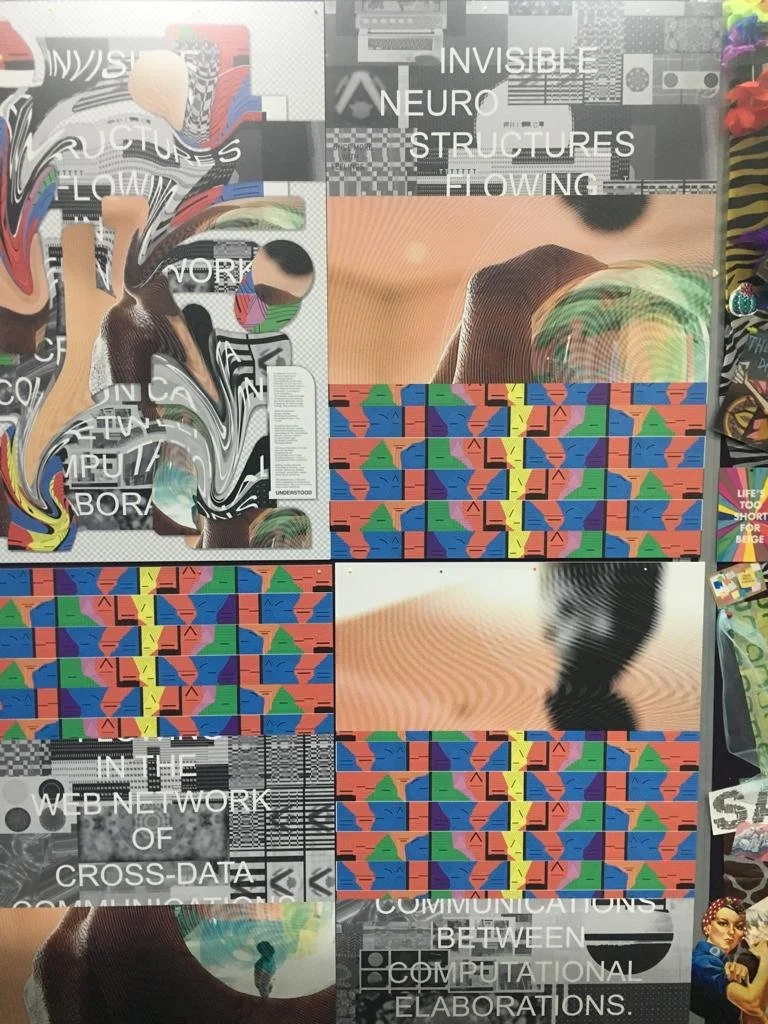
A group of experts and designers search for answers from different perspectives: neurological, biological, socio-economical and psychological. There is no such thing as a standard brain. Just as there is bio- and cultural diversity, there are also differences between people’s brains and, consequently, there are also different ways of thinking and learning. This neurodiversity – or neurodivergence – forms the starting point for designers and researchers to tackle challenges in an interdisciplinary way: how does biodiversity stand up against neurodiversity? How can an installation stimulate neurological change? And how can design help us move towards a neuro-inclusive society? Dive into the human mind through three panel discussions and a workshop.
14:00 - The first discussion is about neurodiversity as a game changer with Reon Brand, Wim Huizing, Daisy Dawson and moderator Paulien from Studio Junctuur.
15:35 - Next, we have a Talk with art therapist Simone Donnari (Screen2Soul) about how he uses art and new technologies in therapy.
16:15 - A second panel discussion, focused on the social aspect, looks beyond the labels with Ulrike Dejaegher and Janneke van Olphen, among others, and with the TAAT collective as moderator.
17:30 - [Erehal Design Museum Gent] Ultimately, the day culminates in a Lightning Decision Jam workshop. With a positive outlook, the biggest challenges of neurodiversity are highlighted after which we come up with tangible, concrete and implementable solutions. By doing so, we want to inspire and stimulate each other to build a community, raise awareness, pay attention to mental health provision for child and parent, and make the enthusiasm sustainable.
In a nutshell, during Design Fest Gent, 24 April is Neurodiversity Day: the official start of an innovation path that aims to connect inclusively, neutralise prejudices and appreciate talents with, for and by children and young people who are neurodivergent. The innovation process kicks off with panel discussions, and a design challenge, expo and workshop.
Freely accessible with day- or festival ticket
Monday 25/04/2022

25/04/2022
09:00 - 10:30
Vooruit
Impact Gathering
Impact Gathering
The Impact Gatherings are a particle accelerator in Ghent for all those who want things to go forward, better and different. For professors and professionals, government or private, students and undergraduates. Before lunchtime, your head will be full of new ways to innovate. Thanks to the speakers on the podium, but also thanks to the people in the room. Because with your coffee, you'll receive an extensive phone book of others like you: with plans and ideas, looking for even more innovative ideas.
Speakers: Susana António and Angelo Campota, social design & innovation (English spoken)
As a designer, Susana António combines design with social innovation, working with local communities such as the aged, the long-term unemployed, the disabled, immigrants and others. As a social psychologist, Angelo Campota believes in the natural potential of people, who need to find the right stage to shine. With Fermenta, they bring together a diverse global network of designers, ethnographers, artists, strategists and technologists to improve the human fabric of local communities and their services through design. With the project 'Old is the New Young', Susana and Angelo use age as a superpower, empowering older people, recognising their talents and emphasising their uniqueness.
After all, breakfast is the most important meal of the day.
9:00 Breakfast
9.30 30 min talk
10:00 Q&A with the community
An initiative of aifoon, Altruis, Design for Impact (LUCA School of Arts), Gents Kunstenoverleg, Goodcopy, iDROPS, Nerdlab, Vrijplaats (Arteveldehogeschool) and wearetribe.
With the support of UP! Fonds and hosted by Kunstencentrum Vooruit.

25/04/2022
11:00
Industriemuseum (Elvira)
Lecture
Susana António about activist design and Grandma Came to Work
A moving talk by Susana, the inspiration behind Portugal's Grandma Came to Work, will highlight the creative space that transcends generations, where social and emotional bonds are strengthened and older people can simply be themselves. The project shows how crafts can be a bridge between different ages and communities.
As if the godness of design in Lisbon says it herself:
“Age is a strength and each person has individual talents, aspirations and passions. Based on this idea, the Grandma Came to Work project starts working with grandmothers. Handmade products with its own, workshops and cooperation on cultural activities; Grandma Cam to Work is an intergenerational creative hub where social and magnetic bonds are forged in the local community and can be done.”
Special thanks tot Fermenta
Book your place for the lecture with day pass or pay €5.
25/04/2022
14:00 & 16:00
Industriemuseum (Kazim)
Workshop
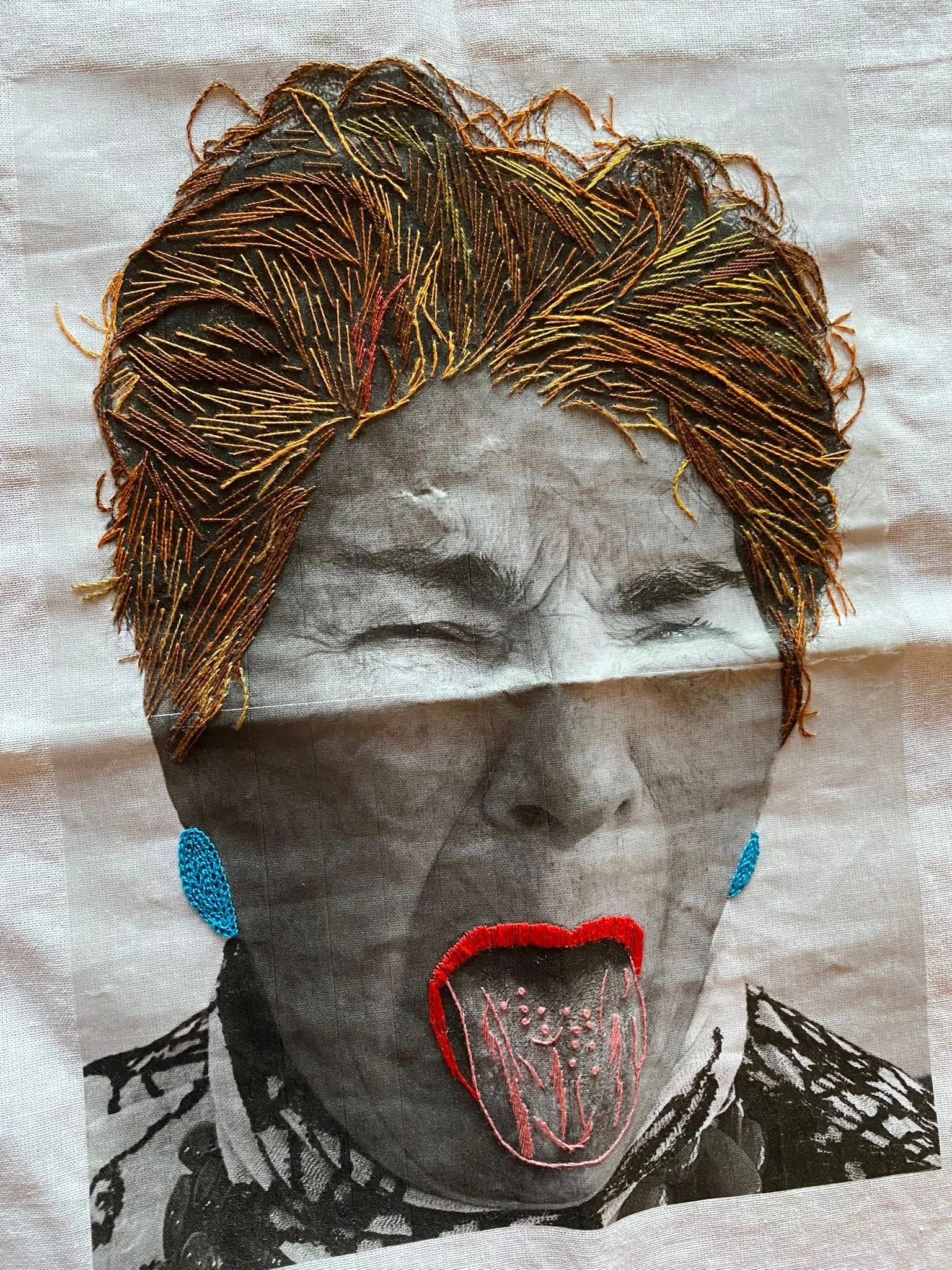
Susana António – Creative embroidery: your own portrait - Old is the new Young
The spotlight will be on the empowerment of senior citizens through design on 25 April 2022, a day of activist design with, by and for seniors: age is a force that has to be unleashed. Every older person has an individual talent or passion which needs to be cherished and stimulated.
In two craft workshops, eight Portuguese grandmothers will teach you how to craft unique, modern embroidery portraits, each one shaped by individual love and care as only grannies can give so generously. Curious about the grandmothers' secrets? Let eight experienced craftswomen help and guide you during Design Fest Gent.
The workshop is full.

25/04/2022
11:00 & 14:00
DMG +2
Workshop
Water
The WaterSchool – Indirect Invisible Water
When you think of water wastage, you, probably, immediately think of visible water - or direct water - that you use every day in and around the house, for example, to flush the loo. Indirect water, on the other hand, is much less visible, but is frequently used in food production processes. Producing one kilogram of chocolate usually requires more than 17 000 litres of water. Although fresh water is scarce on our planet, the average Dutch person uses almost twice as much water as the average world citizen. The installation 'Indirect Invisible Water' increases your awareness of virtual water consumption. Get to work with the spatial installation to measure your personal water footprint. Discover what type of water your footprint consists of and discuss different actions to improve your usage.
The installation Indirect Invisible Water is a collaboration between Studio Makkink & Bey, Studio Corvers and Carla Herrewijnen for The WaterSchool.
Reservation with day- or festival ticket

The WaterSchool – Makkink & Bey
Timelab

Anna Ridler - Watercapitalism
25/04/2022
17:00
DMG +2
DFG Talks
Water
DFG-talks
– The WaterSchool – Makkink & Bey
The WaterSchool, a project initiated by Studio Makkink & Bey, is a speculative school with water as its starting point. The temporary knowledge centre investigates how this vital element of nature can play a greater role in education as an essential material, subject, and social and political phenomenon. They set up collaborations to integrate artists and designers into the curricula. The aim is to confront us with alternative and unconventional approaches to problems.
At Design Fest, WaterSchool M4H+ is already a prototype of such an instructive collaboration: 30 designers, architects and artists meet at an impressive installation. They investigate which materials can serve as (building) materials and/or food, whilst nurturing a responsible relationship with water use. Dive, swim and splash along in the wonderful world of The WaterSchool.
– Timelab
Spring is in the air, you can almost smell the summer. However, in recent years, the summers have been accompanied by floods and droughts. What will the summer of 2022 bring? What can we do to safeguard ourselves against the swinging pendulum of extremes? The time has come to restore the balance between city dwellers and this vital commodity.
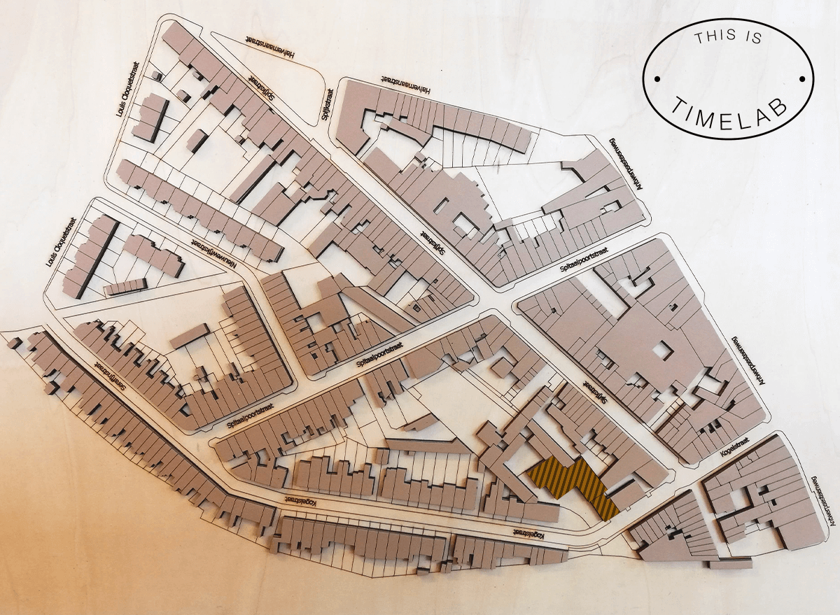
In the Serafijnstraat, Kogelstraat, Spijkstraat and Nieuwewijkstraat in Ghent, about 1 500 people inhabit 600 houses. This neighbourhood is the scene of action where Timelab, working with FARYS, Biztory, VITO and Together we coop, are launching the Commoning Water project.
A miracle water place is being built drawing on artistic interventions, games and much data and insights on water use, applications, quality and possibilities. Timelab will enter the neighbourhood with a mission: to make water accessible as a commons. Water is filtered into drinking water and many types of water are made available in public places. Celebrate water with us, a substance that provides life in rituals and customs. Who knows, maybe you will soon be bottling your own dam water from the collective barrel or helping to build a neighbourhood sauna for the winter months?
– STARTS4Water – Valery De Smedt
Water is life. All living things need water to survive. Our human body is made up of 60 per cent water. It is also essential for the production of food, clothing, computers, moving our waste and a healthy environment. And yet, we do not currently have a sustainable relationship with this natural element.
In order to address the challenges of sustainable water management and maximise the impact, the STARTS4Water consortium wants to engage local experts to support and realise artist residencies around this challenge. This presentation briefly touches upon the 10 current residencies.
– STARTS residence ‘Waterkapitalisme’ – Anna Ridler
To measure is to know. As an artist and researcher, Anna Ridler works with machine learning, data collections and technology. To better understand the world, she dives into numbers: from quantification to self-generating datasets, anything that can be captured in lists and datasets tickles her fancy. Ridler's artistic work often starts with the selection and classification of images and text into handmade datasets. In this way, craftsmanship and algorithmic processes are highlighted and contrasted, resulting in impressive creations. This duality is tangible in, for example, Myriad (Tulips, 2018), a tulip dataset of 10 000 hand-labelled photographs that form a beautiful mosaic. Or, feel how Ridler distils poetry from block chain technology with a Flower Auction (2019) of artificial intelligence generated tulips. Anna Ridler is, without a doubt, the prototype of what a contemporary artist can be.
As part of the European STARTS4Water programme, Anna Ridler was selected for a six-month residency: Water Capitalism, organised by GLUON and LUCA School of Arts, with the support and collaboration of regional industrial partners, companies and knowledge centres. Ridler explored ways to more sustainable, inclusive and value-driven water management, combining expertise in block chain, water management and philosophy, among others.
Freely accessible with day- or festival ticket
Tuesday 26/04/2022
26/04/2022
20:00
Industriemuseum (Elvira)
Lecture
Art Thinking
Sylvain Bureau - Art Thinking: create the improbable with certainty
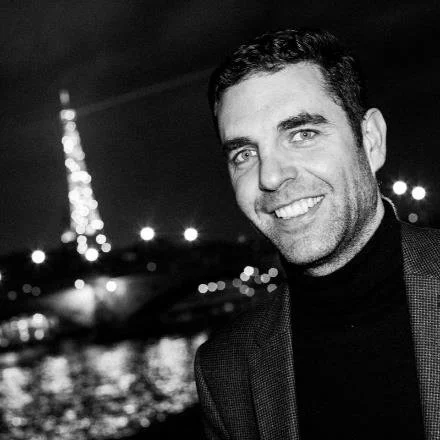
Sylvain Bureau, professor at the Paris ESCP Business School and the Art Thinking Collective, is sure of one thing: the future is doubtful. Like Andy Warhol, he elevates the Coca-Cola bottle to a symbol of a bankrupt social model based on certainty. Wherever in the world the Coca-Cola company goes, its rigid form and taste requirements turn the sugary drink into a benchmark of process-based and formal monotony. At least that was the case until Corona threw a spanner into the works,, and the entire social system was thrown into disarray. Sylvain Bureau sees a major role for art in the transitional phase towards something new. Art sweeps aside, scandalises and undermines established ideas. The role of the Art Thinking Collective is to introduce this improbable potential to the general public.
Reservation with day- or festival ticket, or €5

26/04/2022
14:00 - 16:30
DMG 0
Workshop
PlastiCity - Call for designers
The PlastiCity project investigates how plastic waste can be recovered and reintroduced into the supply chain as a raw material. The city of Ghent is committed to this project, and wants to not only reintroduce waste – in the form of various products and semi-finished products – into the city in an innovative and useful way, but to also introduce companies, designers and citizens to the opportunities offered by the circular economy.
During the PlastiCity workshop and networking event, facilitated by Apollo 18, product and process designers can meet material experts, producers and potential customers. Together, we’ll think about possible scenarios, applications and partnerships in which recycled plastic can be reused as a raw material.
A short presentation of the PlastiCity project with some inspiring examples will kick off the workshop. After that, all participants will gather around the material tables, where different samples with their technical explanations will be made available. Specialists and researchers from Ghent University will be present to give expert explanations on the materials, polymer processing techniques and new applicable technologies.
Subscribe now by clicking on this link: https://www.flexmail.eu/f-301d1f4705ef7edf

Ineke Hans – REX

SerVies

Adriaan Debruyne – HOOS
26/04/2022
17:00
DMG 0
DFG Talks/ Cases
Urban Mining/ Recycling
DFG-talks
– Ineke Hans – REX
Meet REX, the Netherlands’ first ‘returnable’ chair. The 2011 award-winning design by Ineke Hans has been given a circular life some ten years later by Circuform. During the DFG talks, Ineke Hans, the Dutch designer who created the chair, will tell the story of REX within the growing recycling movement.
A fresh new brand in the furniture sector, Circuform is giving industrially designed furniture a new chance, by creating pieces that have a long lifespan from recycled materials, and which are also completely recyclable. REX is one of the chosen pieces. Ineke Hans’ design was resurrected with an adapted design and production method and with recycled nylon from office chairs, fishing nets and carpets, among other materials. Meanwhile, there are already return locations all over the Netherlands. Chairs with a deposit? There’s a future in that.
As a designer of furniture, products, exhibitions and spaces, Ineke Hans is based in the Netherlands and Berlin. She is professor of Design & Social Context at the University of the Arts in Berlin, and is a popular guest on international juries, talks and debates on design.
– SerVies
You and I, along with the vast majority of the population, are exposed to excessively high concentrations of fine dust. Although the air quality in Belgium has improved slightly in recent years, we still breathe in soot, nitrogen oxides and other pollutants without noticing it. Designers Iris de Kievith and Annemarie Piscaer have found a way to harvest fine dust and use it as glaze for ceramics. A new table service thereby makes us aware of air pollution. The fine dust determines the colour of the tableware, making the air quality not only visible, but even tangible.
Help harvest fine dust in Ghent. The ‘participatory urban mining’ project was launched in 2018 at Dutch Design Week in Eindhoven, and there is a growing network of cities in which the project has been developed as Smogware. After all, awareness of air quality in cities needs to be raised even further, and, with SerVies, that starts with your cereal bowl and your coffee cup.
– Adriaan Debruyne – HOOS
HOOS has developed attractive (satchel) bag sets using used advertising textiles, rejected seat belt webbing, locally produced zips and recycled advertising panels. The collaboration between Material Mastery and the Weerwerk sewing workshop creates not just a pretty bag, but also the world’s first circular school bag set. Parents of primary school children can rent this school bag set and have it repaired if necessary. In this way, the material is reused not just once, but many times. Other bags – entirely in keeping with the local, social and circular credo – also see the light of day at HOOS. In the sewing workshop, people who have difficulty entering the labour market transform advertising textiles and waste flows into new, sustainable and personalised products.
HOOS saves high-quality material from the incinerator, enables people from Weerwerk to grow, and builds a circular economy. Be inspired by Adriaan Debruyne during the DFG talk who, together with HOOS, wants to stimulate circular thinking and more conscious purchasing behaviour.
– PlastiCity
PlastiCity aims to make plastic beautiful again and to push waste plastics into a circular economy. The Interreg 2 Zees project is developing strategies and solutions to drastically reduce the mountain of plastic waste. Urban commercial and industrial plastic waste needs to be recycled more In the partner regions of Belgium, the Netherlands, France and the United Kingdom.
PlastiCity wants to use urban platforms to bring about a change in behaviour, and is employing mobile units for testing, demonstration and sensitisation. New value chains are being developed and products are being designed to use waste plastics as valuable materials. PlastiCity brings designers, product makers and waste owners together to create innovative and sustainable design concepts from recycled material streams of non-household waste. Be inspired, advised and recycled during the DFG PlastiCity talk.
Freely accessible with day- or festival ticket
Wednesday 27/04/2022

27/04/2022
14:00 & 16:30
Industriemuseum (Textielatelier)
Workshop
Isabeau Goddé - (S)TOF! (material)
Did you know that the textile industry is one of the most polluting industries in the world? When young designer Isabeau Goddé discovered that, her interest spontaneously shifted towards re-use and the circular economy. The end product is not the most important step in her practical work. She attaches more importance to the process: learning, experimenting and discovering the hidden possibilities of materials and techniques – in short, a hands-on working method that seeks to strike a balance between science and craft. Following the three Rs of reduce, re-use, recycle, she leads a workshop in which she playfully investigates how exactly these residual products can be given a new life. Together with the participants, she works with ‘waste’ from the textile industry, from surplus yarn to selvedge fabric and even lint from the dryer. Everything is usable. (S)TOF (great stuff), right?
Reservation with day- or festival ticket
Thursday 28/04/2022

28/04/2022
14:00 - 15:00 & 16:00 - 17:00
Polyvalente zaal Industriemuseum
Maakperformance
Fransje Gimbrère & Soft Connection Lab - Braid to Connect
In the distant past, the Maypole dance inspired creative people to create a weaving machine. Today, the Soft Connection Lab at the Gent KASK is investigating whether we can turn this around and transform existing textile-making methods into a making performance again. Together with the Dutch textile designer Fransje Gimbrère, the researchers get to work with soft, tactile materials from production surpluses. Ten performers, Fransje Gimbrère and the research group set up a human braiding machine, as it were.
While designing and making have become completely disconnected in our Western industrialised society, the Soft Connection Lab investigates how -- based on adapted textile-making methods and inspired by the social connectedness of the Maypole dancers -- we can once again stimulate such a connecting design attitude. Come to see not only the impressive objects, but also the live performance at Design Fest Gent in the Museum of Industry.
Freely accessible with day- or festival ticket

28/04/2022
14:00
Industriemuseum (Drukkerij)
Workshop
Arteveldehogeschool - Ecodesign in Packaging
Is plastic packaging more sustainable than paper or glass? Should packaging be compostable, recyclable and/or reusable? Professionals who design and produce packaging shared their insights with packaging experts at Arteveldehogeschool and Vincent De Smedt @Edmire.design
Enter the world of eco-packaging. Renewable, recyclable and reusable materials are at the centre. But also the design itself is always a hunt for smart designs that stimulate reuse and thus reduce the ecological footprint. Find out which eco-design tips apply to your case and ask your questions.
I.c.w. EDMIRE | circular design
Reservation with day- or festival ticket